Guide to Choosing Between Crew Members, Monohulls, Catamarans, Docking Spots, and Winter Training
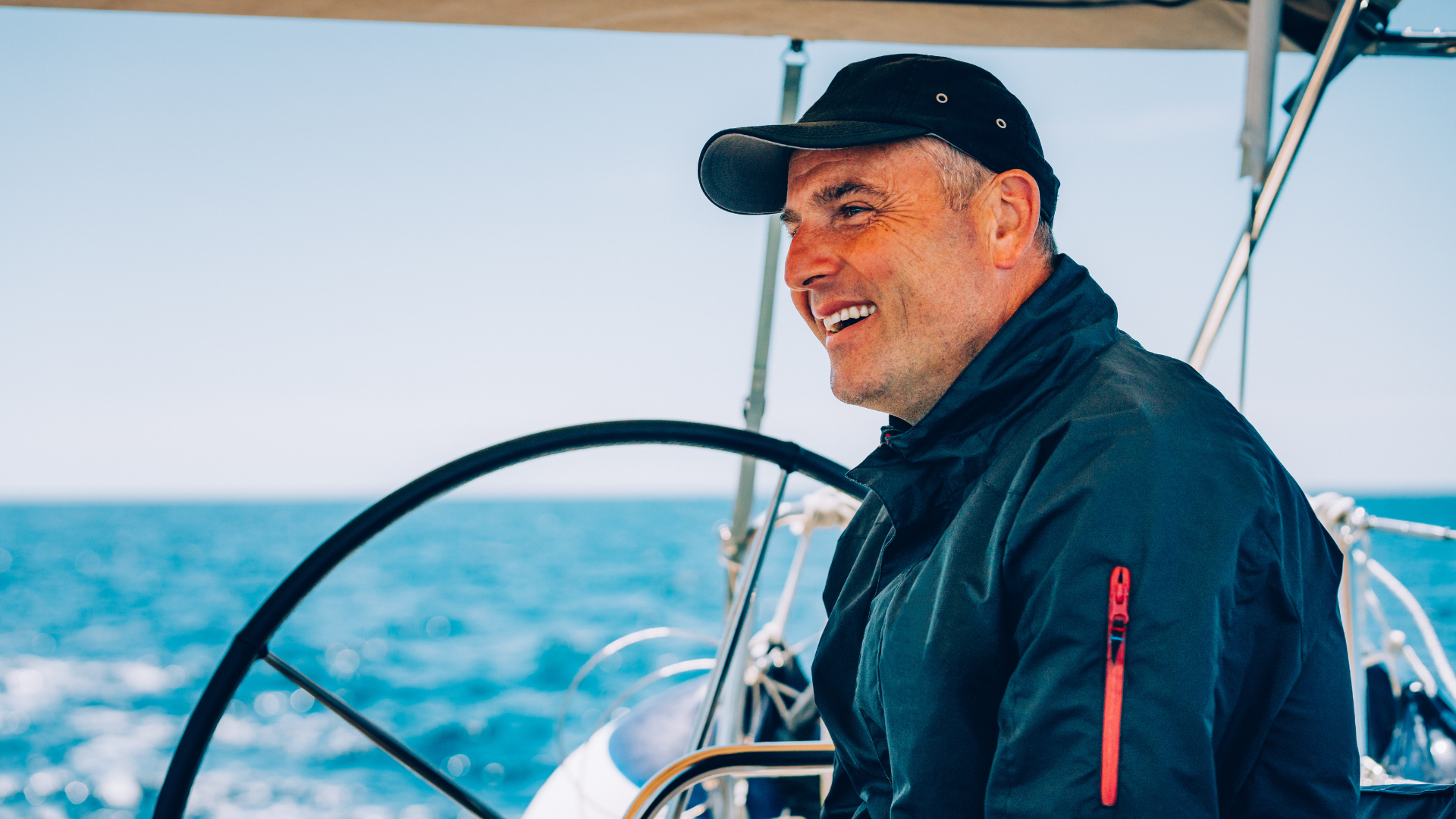
Choosing a sailing course isn’t always easy. Not all sailors start from the same place, nor do they all need the same kind of training. Some are starting from scratch; others have sailed before but don’t feel confident; some want to rent a catamaran; some freeze up when entering a harbor; and others already have a certification but need to take the leap to sail on their own.
That’s why, before choosing a course, the question shouldn’t just be “What certification do I have?”, but “What do I need to practice in order to sail more safely?”
At Julio Verne Náutica, we offer boating instruction based on a very clear principle: the best way to learn to sail is by sailing. Our course offerings are designed as a progressive path, from your first experience on a boat to becoming a fully independent skipper.
Before choosing a course: What is your level?
Having a boating certification and having real experience on board aren’t always the same thing. You might have a PER certification and still not feel comfortable docking. You might have completed an official internship and still have doubts about anchoring. Or you might not have a certification, but have sailed enough to know that you want to gain more confidence.
The important thing is to identify where you’re starting from. If you have no prior experience, the best approach is to start by learning the ropes on board. If you’ve already sailed, you can work on technique, maneuvers, weather, anchoring, or crew management. If the marina makes you nervous, you need to practice docking. And if you already have a certification and want to sail without an instructor, the next step might be self-sufficiency training.
Crew Training Course: Start from Scratch
The Navigation Course for Crew Members is designed for people who want to start sailing without prior experience or a boating license.
This is the right course for you if you’ve been invited to go sailing and want to understand what’s happening on board, if you want to learn how to move safely around the deck, or if you’re not yet ready to be skipper but still want to play a useful role in the voyage.
During the course, you will learn nautical terminology, knots, ropes, moving around the deck, personal safety, motorboat maneuvers, sailing maneuvers, living aboard, and basic boat handling.
The goal isn’t for you to become a skipper. The goal is for you to learn how to be on board, understand the boat, and truly be part of the crew.
View Crew Training Course
Monohull Course: To Build Confidence on a Sailboat
The Monohull Advanced Course is designed for people who have sailed before and want to gain confidence on a sailboat.
You may have completed an official internship, hold a certification, or have sailed with friends or family. Even so, you may still need more actual sailing hours to feel comfortable steering, trimming the sails, anchoring, entering a harbor, or making decisions on board.
This course covers key topics such as boat handling, sail trimming, maneuvering under motor and sail, docking, undocking, anchoring, weather interpretation, trip planning, sailing with a small crew, and managing life on board.
You don’t need a certification to take the course, but it is recommended that you have some prior sailing experience to get the most out of the training.
View Monocoque Course
Catamaran Course: To Learn How to Sail a Different Type of Boat
A catamaran is not sailed like a monohull. It has a wider beam, greater volume, more surface area exposed to the wind, two engines, different inertial characteristics, and a different way of maneuvering, docking, and anchoring.
The Catamaran Sailing Course is designed for sailors who want to understand how this type of boat handles before renting, buying, or taking responsibility for one.
During the course, students practice sailing under sail and under motor power, maneuvering with two engines, tacking, jibing, trimming, tacking, gybing, taking in reefs, docking, undocking, anchoring with a bowline, and crew planning and management.
You don’t need a certification to sign up, but it’s a good idea to have some sailing experience. The goal is for you to learn about the catamaran through hands-on experience, rather than relying solely on a quick explanation before setting sail.
View Catamaran Course
Mooring Course: Stop winging it in port
Docking is one of the maneuvers that causes the most stress for many sailors. The harbor is intimidating: there’s little space, the wind can push the boat around, the crew needs clear instructions, and the boat has no brakes.
The Mooring Course is designed for those who have sailed before but want to improve their skills in entering and leaving port. It can be taken on a monohull or catamaran and focuses on practicing docking, undocking, preparing for the maneuver, communicating with the crew, controlling momentum, using the engine, and maintaining calm on board.
Docking properly isn’t a matter of luck. It takes preparation, technique, and practice. This course is a good fit if docking is still your weak point or if you want to gain more control before renting, buying, or skippering a boat with greater confidence.
You don’t need a certification to do this, although it is recommended that you have previous sailing experience.
View the Mooring Course
Winter Training: To Develop True Independence
Winter Training is the next step for skippers who already have a certification and prior experience but still want to solidify their reflexes before sailing on their own.
Unlike the other courses, Winter Training does require a minimum PER certification. It is neither a beginner’s course nor a basic advanced course: it is a 48-hour supervised rental program with a personalized action plan, professional monitoring, and an instructor present at key moments.
It is designed for those who have taken courses, completed internships, or gone on sailing trips but want to prepare to sail without an instructor. The course focuses on autonomy, planning, meteorology, maneuvers, docking, anchoring, boat management, crew management, and decision-making.
The goal is clear: to move from continuing to learn under supervision to navigating the boat on your own with greater confidence.
See Winter Training
So, which course do I need?
If you’re starting from scratch and want to learn how to work on board, choose the Crew Member Course.
If you’ve already been sailing and want to gain confidence on a sailboat, choose the Monohull Course.
If you want to learn how to sail a catamaran before renting one or skippering it, choose the Catamaran Course.
If your weak point is in port, choose the Berthing Course.
If you already have a minimum PER and want to train for true self-reliance, choose Winter Training.
Each course is designed for a specific stage in a sailor’s journey. The key isn’t to choose the “most advanced” course, but rather the one that matches your skill level and goals.
Learn to navigate with Julio Verne Náutica
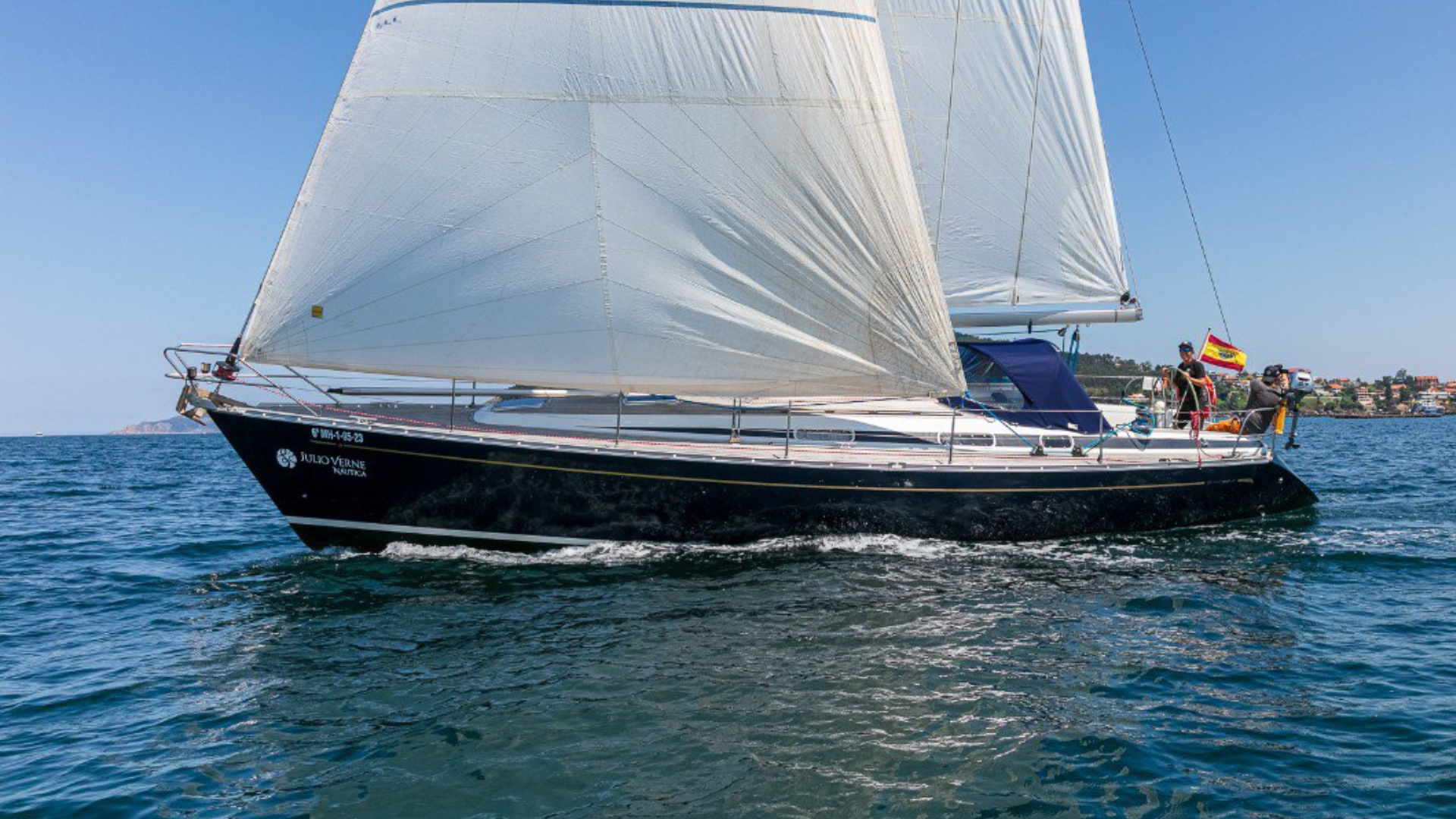
At Julio Verne Náutica, we offer hands-on training, small groups, professional instructors, and our own training boats from our base at the Monte Real Yacht Club in Baiona.
The Rías Baixas offer an ideal setting for learning and honing your skills year-round: sheltered waters, nearby harbors, accessible anchorages, and real-world conditions for practicing safely.
If you want to gain confidence on board, improve your technique, or prepare to sail independently as a skipper, the first step is to choose your starting point wisely.
View the schedule of continuing education courses
Do you have any questions? Send us a WhatsApp message by clicking here.
Iván Pérez-Gándaras is CEO of Julio Verne Náutica and the main Director of the company's RYA Training Center. His vast experience is based on the highest nautical qualifications such as Yachtmaster without limits, STCW95 and RYA Yachtmaster Offshore with commercial endorsement. He has accumulated more than 20,000 ocean miles in deliveries and transatlantic crossings, in addition to 30,000 miles in scientific expeditions, including Antarctica and Newfoundland.
A trainer since 1993 and instructor of nautical qualifications since 2009, his background combines a solid technical background with exceptional practical experience. With a degree in Marine Biology from the University of Santiago de Compostela and World Champion in Dinghy Sailing (1989), his unique perspective ensures that Julio Verne Náutica's articles, training and charter services are delivered with the highest level of technical rigor and passion for the sea.




Comments are closed for this article!