Having a PER doesn’t mean you know how to sail
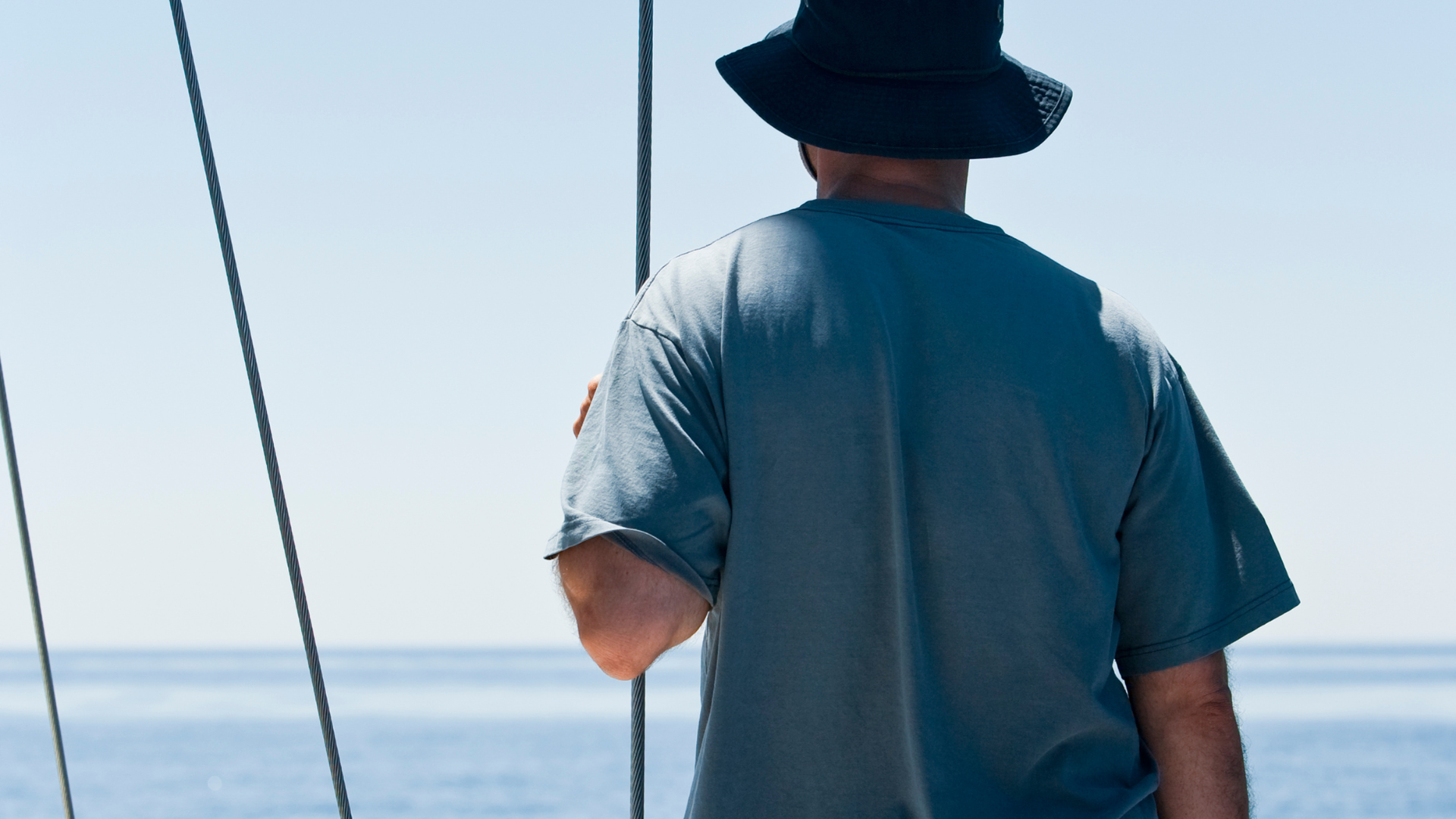
Having a PER doesn’t mean you know how to sail
What does it mean to know how to sail? It sounds like an exam question, but the answer isn’t in the books. For many, it means having a plastic card in your wallet that says you can go 12 miles offshore. For others, it’s having gone out a couple of times on a friend’s boat and not ending up on the news.
Let’s be clear: A certification legally qualifies you, but it doesn’t take away your fear of running the boat into the dock. Confidence isn’t something you buy by paying exam fees; you earn it by sailing, repeating maneuvers, making mistakes, correcting them, and trying again until the boat does what you want it to. At Julio Verne Náutica, we take this to heart: you learn to sail by sailing.
The rudder is just the tip of the iceberg
One of the most common beginner mistakes is thinking that sailing is just about steering the wheel. Steering the wheel is the easy part. The hard part is everything else:
- Understanding what’s happening: Understand how the boat responds and how the wind affects it at any given moment.
- Anticipating trouble: Knowing when to reduce sail or how to prepare a maneuver before it’s too late.
- The art of doing nothing: Sometimes, the smartest thing to do on board is to observe and not complicate a maneuver by trying too hard. A good crew member isn’t the one who does the most, but the one who best understands the big picture.
- Reading the situation: Interpreting the weather, knowing where to anchor, and organizing the crew before entering port.
Theory helps you understand; practice helps you react.
It’s necessary to study the rules and navigation aids—we’re not going to tell you otherwise. But decisions at sea don’t come in neat, chapter-by-chapter order like in a manual.
When the wind suddenly picks up, traffic in the harbor gets complicated, or the anchor doesn’t hold as well as you expected, it doesn’t do you much good to recall the theoretical definition of a knot. That’s when you can tell who has truly confident on board and who just passed the test. Confidence comes from accumulated experience, not a certificate hanging on the wall.
Can you learn without having a degree?
Absolutely yes. In fact, it’s often the smartest thing to do. It’s one thing to have the legal authorization to skipper a boat, but it’s quite another to have the practical training to understand what on earth is going on beneath your feet. Learning to be a good crew member—knowing how to move around deck, prepare a line, or set a fender—is the first step toward becoming a decent skipper.
So, what does it mean to know how to sail?
To know how to sail is to have good judgment. It means knowing how to conduct yourself on board, staying calm in port, and making decisions appropriate for your boat, your crew, and the sea conditions. It means accepting that you can’t control the sea, but you can learn to read it.
At our base at the Monte Real Yacht Club in Baiona, we take advantage of the fact that the Rías Baixas is the best training ground in the world so you can stop just collecting titles and start building your confidence.
What about you? Do you really want to sail, or are you just going to keep collecting certificates? If you’re ready to stop winging it, write to us. We’ll help you choose a course based on your actual skill level—not on what your diploma says.
Specialize by taking our advanced courses! Choose the format that interests you most: Monohull or Catamaran.
Learn to navigate with Julio Verne Náutica
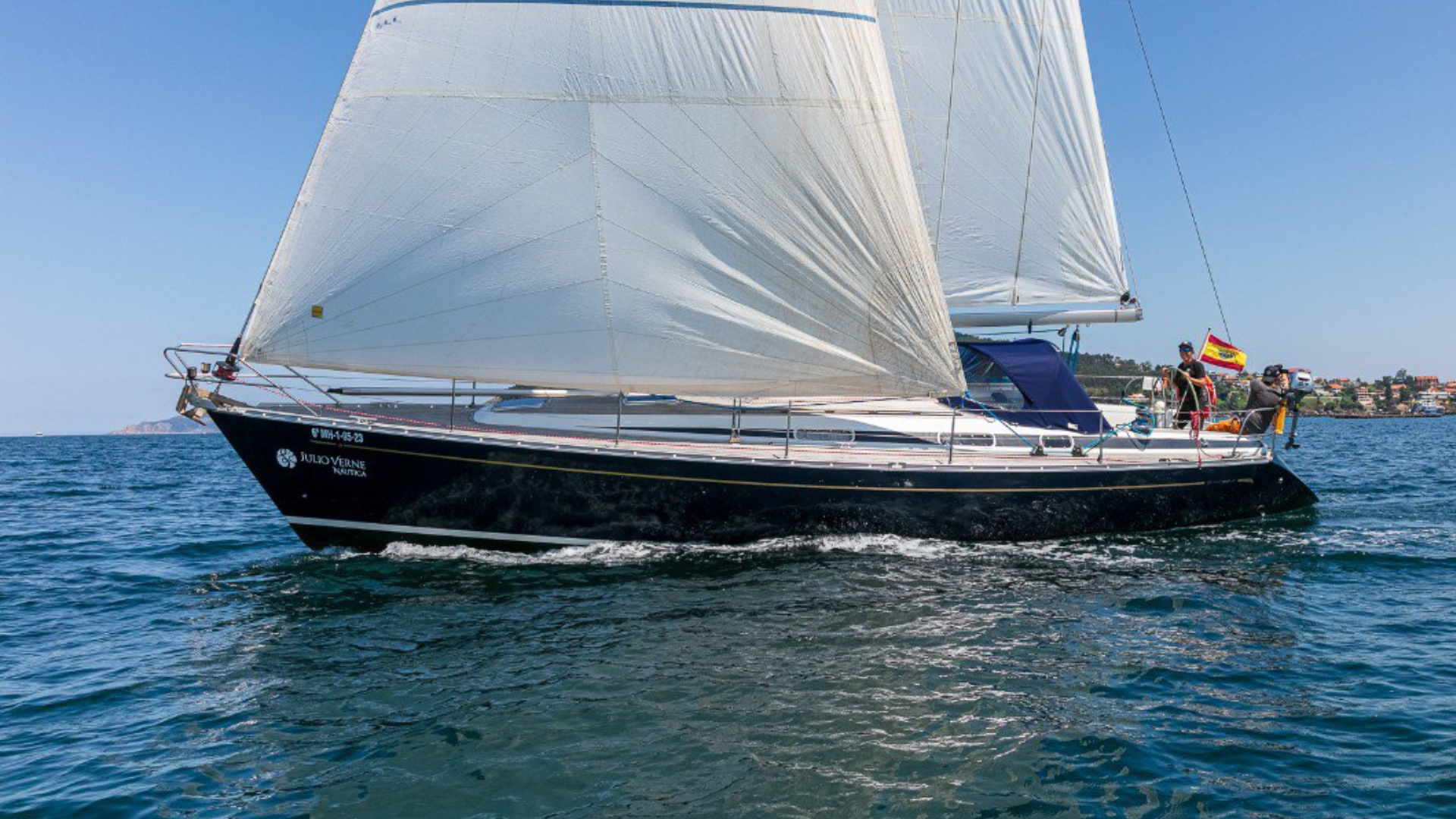
At Julio Verne Náutica, we offer hands-on training, small groups, professional instructors, and our own training boats from our base at the Monte Real Yacht Club in Baiona. The Rías Baixas offer an ideal setting for learning and honing your skills year-round: sheltered waters, nearby harbors, accessible anchorages, and good conditions for practicing safely.
Whether you want to gain confidence on board, improve your technique, or start from scratch, the first step is to figure out where you stand. Because learning to sail isn’t about racking up certifications. It’s about knowing what to do on board. And that comes from practice on the water.
View the schedule of continuing education courses
Not sure which course is right for you? Write to us, and we’ll help you choose based on your experience, your level, and your goals.
office@juliovernenautica.com
Send us a WhatsApp message by clicking here.
Iván Pérez-Gándaras is CEO of Julio Verne Náutica and the main Director of the company's RYA Training Center. His vast experience is based on the highest nautical qualifications such as Yachtmaster without limits, STCW95 and RYA Yachtmaster Offshore with commercial endorsement. He has accumulated more than 20,000 ocean miles in deliveries and transatlantic crossings, in addition to 30,000 miles in scientific expeditions, including Antarctica and Newfoundland.
A trainer since 1993 and instructor of nautical qualifications since 2009, his background combines a solid technical background with exceptional practical experience. With a degree in Marine Biology from the University of Santiago de Compostela and World Champion in Dinghy Sailing (1989), his unique perspective ensures that Julio Verne Náutica's articles, training and charter services are delivered with the highest level of technical rigor and passion for the sea.




Comments are closed for this article!